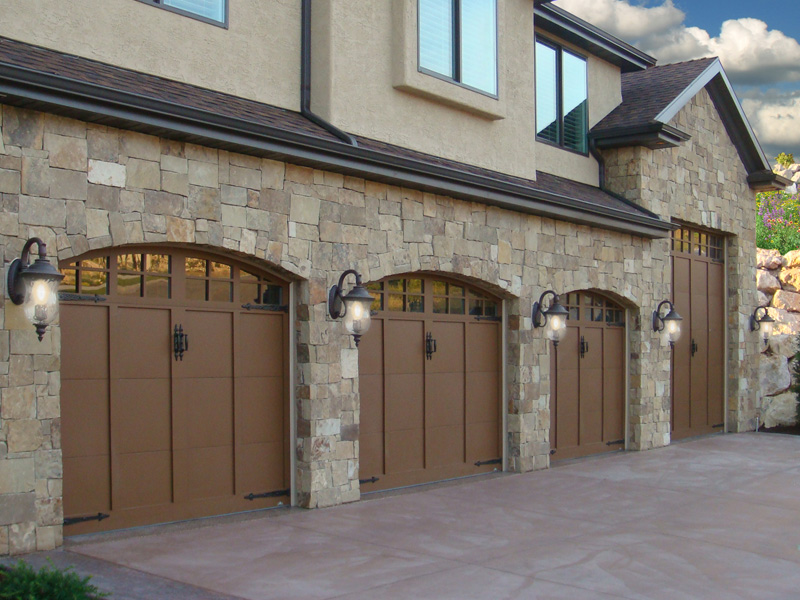
Garage door springs play a crucial role in the proper functioning of your garage door. Without well-maintained springs, your garage door may fail to open or close smoothly, potentially leading to safety hazards and costly repairs. In this guide, we will discuss the most common problems that arise with garage door springs and provide tips on how to prevent them. Whether you’re dealing with a broken garage door spring or experiencing torsion spring issues, proper care and timely intervention can save you from bigger headaches in the future.
Understanding the Role of Garage Door Springs
Before diving into the common issues and their solutions, it’s essential to understand the role garage door springs play in your system. These springs are responsible for bearing the weight of the door and providing the necessary tension to lift and lower it smoothly. There are two primary types of springs: torsion springs, which are mounted horizontally above the door, and extension springs, which run along the sides.
Each type of spring is subject to wear and tear over time, especially with frequent use. Neglecting to address early signs of garage door spring repair needs can lead to further damage, compromising the safety and functionality of the entire system.
Common Garage Door Spring Problems
1. Broken Garage Door Springs
One of the most frequent problems homeowners encounter is a broken spring. This typically occurs due to natural wear and tear, particularly after years of heavy use. Springs have a limited lifespan, often measured in cycles (one cycle equals one opening and closing of the door). Over time, the metal fatigues, and the spring may snap.
Signs of a broken spring include a garage door that won’t open, or it opens unevenly. In such cases, it’s critical to avoid trying to operate the door manually, as it may cause injuries or further damage.
2. Worn-Out Torsion Springs
Torsion springs can wear out due to friction and the constant winding and unwinding process. You may notice squeaking or grinding noises as a sign of friction build-up. Torsion spring issues can also manifest as a door that moves too slowly or too quickly when opening or closing.
Regular lubrication of the springs can minimize friction and prolong their lifespan, but eventually, a garage door spring replacement may be necessary. If you’re unsure whether your torsion springs need attention, consider having them inspected by a professional.
3. Imbalanced Garage Door
An imbalanced garage door may result from uneven tension in the springs, particularly if one spring is more worn than the other. This imbalance can place undue strain on the garage door opener, leading to premature failure. If your door appears crooked or doesn’t move evenly when opening or closing, the springs may require adjustment or replacement.
Regular maintenance checks can catch imbalances early, preventing more serious issues down the line. For comprehensive guidance on handling spring-related imbalances, visit Shield Garage Door’s guide on garage door spring replacement.
Tips to Prevent Garage Door Spring Issues
Preventing garage door spring problems largely depends on how well you maintain your garage door system. Below are some practical tips for avoiding the most common issues:
- Regular Inspections: Check your garage door springs for signs of wear, corrosion, or gaps in the coils. Identifying these signs early can prevent a full garage door spring repair.
- Lubrication: Apply a high-quality garage door lubricant to the springs at least twice a year to minimize friction and reduce the strain on the system.
- Avoid DIY Repairs: Garage door springs are under extreme tension, making them dangerous to handle without proper knowledge and tools. Always seek professional help for any repairs or replacements.
- Limit Usage: If possible, reduce the number of cycles your garage door undergoes daily. Each time the door opens and closes, it adds to the wear and tear of the springs. For homes with frequent garage door use, consider using the front door or other entrances more often.
When to Replace Your Garage Door Springs
Even with the best preventive care, garage door springs will eventually need replacement. A standard torsion spring typically lasts for about 10,000 cycles, which can be anywhere from 7 to 12 years depending on usage. It’s essential to schedule a garage door spring replacement before the springs break entirely to avoid safety hazards and ensure continuous operation.
If you notice signs like excessive squeaking, slower door movement, or visible gaps in the springs, it’s time to call in a professional. For more details on how to handle a spring replacement safely, check out this step-by-step guide on replacing a garage door spring.
Conclusion
Proper maintenance and timely replacement of garage door springs are essential for the safety and functionality of your garage door. By staying proactive with inspections and knowing when to call for professional help, you can avoid the most common torsion spring issues and keep your garage door operating smoothly for years to come.
Apart from this, if you are interested to know more about Enhance Your Outdoor Space with Professional Patio Paver Installation then visit our Home Improvement category.