
Introduction
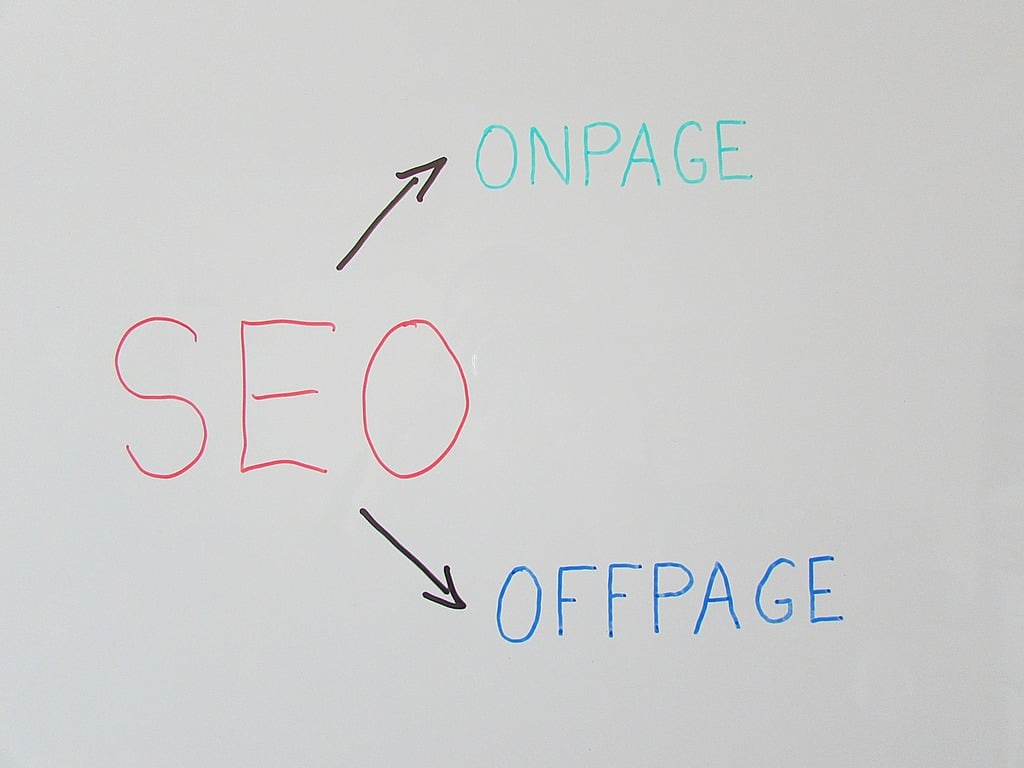
In the world of Digital Marketing, Search Engine Optimization (SEO) plays a crucial role in enhancing website visibility and driving organic traffic. SEO can be broadly classified into two main categories: On-Page SEO and Off-Page SEO. Understanding their key differences is essential for marketers, website owners, and businesses looking to improve their online presence. In this article, we will dive deep into the definitions, techniques, and importance of On-Page and Off-Page SEO, highlighting how they contribute to a successful Digital Marketing strategy.
What is On-Page SEO?
On-Page SEO refers to the practice of optimizing individual web pages to improve their search engine rankings and attract more relevant traffic. It involves various elements that are directly under the control of the website owner.
Key Elements of On-Page SEO
- Keyword Optimization
- Conducting thorough keyword research to find relevant terms.
- Placing keywords naturally in titles, headers, meta descriptions, and throughout the content.
- Avoiding keyword stuffing to maintain readability and search engine compliance.
- Content Quality and Relevance
- Creating high-quality, engaging, and informative content.
- Using structured formatting (headings, bullet points, images) to improve readability.
- Implementing semantic keywords and LSI (Latent Semantic Indexing) for better context.
- Meta Tags Optimization
- Writing compelling meta titles and descriptions with targeted keywords.
- Using relevant alt text for images to improve accessibility and SEO.
- URL Structure
- Keeping URLs short, descriptive, and keyword-rich.
- Avoiding unnecessary parameters and numbers that confuse search engines.
- Internal Linking
- Linking to relevant pages within the website to enhance navigation and user experience.
- Distributing link equity across important pages.
- Mobile Friendliness
- Ensuring a responsive design that adapts to different screen sizes.
- Optimizing page speed for better mobile performance.
- Page Speed Optimization
- Compressing images and minifying CSS/JavaScript files.
- Using caching and Content Delivery Networks (CDNs) for faster load times.
- User Experience (UX) and Engagement
- Implementing clear call-to-action (CTA) buttons.
- Reducing bounce rates by providing valuable content.
What is Off-Page SEO?
Off-Page SEO refers to activities performed outside the website to improve its authority, credibility, and search engine rankings. It primarily focuses on building quality backlinks and enhancing brand reputation.
Key Elements of Off-Page SEO
- Link Building
- Acquiring high-quality backlinks from authoritative websites.
- Implementing guest blogging and influencer outreach strategies.
- Avoiding spammy or low-quality backlinks that can lead to penalties.
- Social Media Marketing
- Promoting content across social media platforms like Facebook, Twitter, LinkedIn, and Instagram.
- Engaging with audiences through comments, shares, and likes.
- Using social media signals to boost search rankings.
- Brand Mentions and Citations
- Getting brand mentions on reputable websites, forums, and news sites.
- Listing businesses in directories like Google My Business, Yelp, and Bing Places.
- Influencer and Blogger Outreach
- Collaborating with industry influencers to gain credibility.
- Encouraging bloggers to review or mention your products/services.
- Forum and Community Engagement
- Participating in discussions on platforms like Quora and Reddit.
- Providing helpful answers and linking back to relevant content.
- Content Marketing
- Creating shareable infographics, videos, and podcasts.
- Syndicating content on platforms like Medium and LinkedIn Pulse.
- Press Releases and Public Relations (PR)
- Distributing press releases to gain media coverage.
- Leveraging PR campaigns to improve brand reputation.
Key Differences Between On-Page SEO and Off-Page SEO
| Feature | On-Page SEO | Off-Page SEO |
| Control | Fully controlled by the website owner | Influenced by external factors |
| Focus | Content, HTML structure, and website optimization | Link building, social media, and external signals |
| Techniques | Keyword optimization, content creation, meta tags, internal linking | Backlinks, social engagement, influencer collaborations |
| Goal | Improving website structure and content relevance | Enhancing domain authority and credibility |
| Dependency | Independent of external sources | Dependent on third-party sites and interactions |
| Impact on Rankings | Direct impact on search rankings | Indirect influence through trust signals |
Why Both On-Page and Off-Page SEO are Essential for Digital Marketing
A well-balanced Digital Marketing strategy integrates both On-Page and Off-Page SEO techniques. Here’s why they are both important:
- On-Page SEO Improves Content Discoverability
- Helps search engines understand your content’s relevance.
- Enhances user experience, leading to better engagement.
- Off-Page SEO Builds Authority and Trust
- Establishes credibility through high-quality backlinks.
- Expands brand reach and online presence.
- Both Contribute to Higher Rankings
- A well-optimized page with strong backlinks performs better in search results.
- Google considers both factors when ranking web pages.
- Supports a Holistic Digital Marketing Approach
- On-Page SEO ensures your website is technically sound and content-rich.
- Off-Page SEO strengthens your brand’s influence across the web.
Best Practices for Implementing On-Page and Off-Page SEO
On-Page SEO Best Practices
- Conduct thorough keyword research before creating content.
- Write compelling meta titles and descriptions.
- Optimize images and page speed for better performance.
- Use structured data markup to enhance search visibility.
- Regularly update and refresh content to stay relevant.
Off-Page SEO Best Practices
- Focus on acquiring backlinks from authoritative sources.
- Engage actively on social media and forums.
- Leverage influencer marketing for wider reach.
- Submit guest posts on reputable websites.
- Monitor backlink quality and disavow spammy links.
Conclusion
Both On-Page SEO and Off-Page SEO are integral parts of a successful Digital Marketing strategy. While On-Page SEO ensures that your website is optimized for search engines and users, Off-Page SEO helps in building credibility, trust, and online authority. By implementing both strategies effectively, businesses can improve their rankings, drive organic traffic, and achieve long-term success in the digital landscape.
Staying up to date with the latest SEO trends and continuously optimizing your website and external marketing efforts will help you stay ahead of the competition. So, invest in both On-Page and Off-Page SEO to maximize your Digital Marketing success!


