
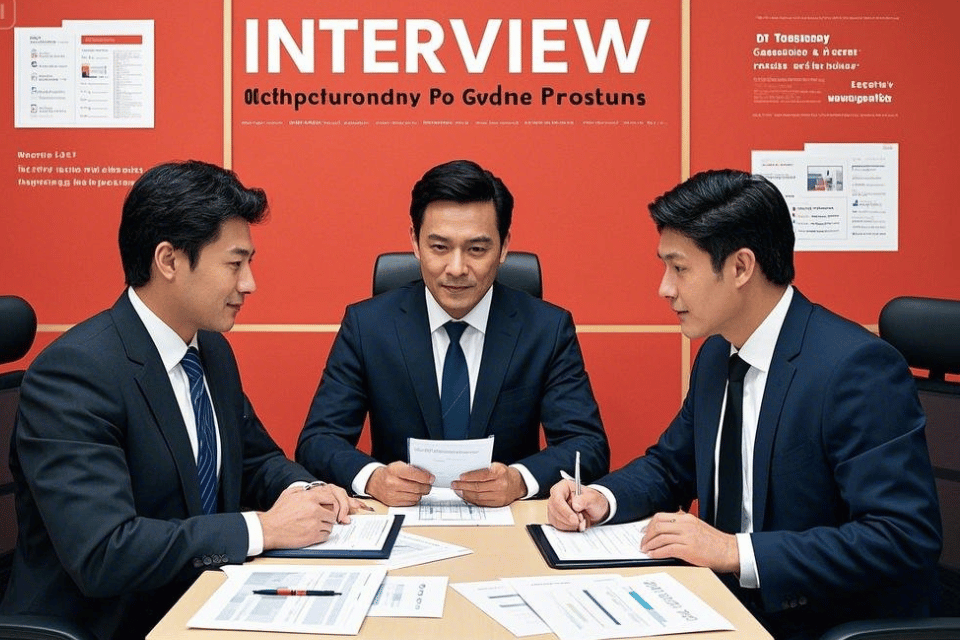
Introduction to Structured Interviews
Businesses always fight to attract and retain top talent in today’s cutthroat business world. Amidst myriad recruitment strategies, structured interviews have emerged as a reliable method. These interviews introduce consistency and discipline often lacking in traditional hiring practices. Employers can ensure that each interview session delivers actionable insights by engaging candidates in a carefully designed set of questions.
To discuss the benefits of structured interviews, we must highlight their ability to level the playing field. Conventional interviews sometimes fall prey to whim and bias, whereas structured formats demand a uniform approach. Candidates appreciate this level playing field as it affirms that their abilities are evaluated fairly and impartially. As structured interviews gain acceptance, they continue to shape the future of equitable recruitment practices across industries.
Benefits of Implementing Structured Interviews
Structured interviews are lauded for providing a robust backbone to the recruitment process. They enable organizations to implement a transparent and consistent hiring process that does not discriminate based on personal biases. This consistency leads to more merit-based hiring, ensuring that decisions are grounded in objective data rather than subjective interpretations.
Fairness and Objectivity
The candidate evaluation process centers on uniformity and precision in a structured interview. This design removes inconsistencies, making each interviewer’s assessment equally valuable and binding. As highlighted in the Harvard Business Review, structured interviews also serve as a powerful tool to mitigate bias, helping to create a work culture where diversity and meritocracy thrive. Fairness is promoted, and a wider range of talent is encouraged to apply because they know their qualifications and potential to benefit the organization will be the only factors considered.
How Structured Interviews Improve Retention
Structured interviews do more than refine selection; they also have a lasting impact on employee retention. Employees hired through this method often report greater alignment with their roles and organizational values. They feel their skills and experiences were accurately assessed during hiring, leading to better job satisfaction and reduced turnover rates.
Moreover, knowing that the recruitment process is fair and rigorous can boost morale among new hires, as it reassures them of their competency and suitability for their respective positions. When employees believe their entry into the organization was deserved and earned, it nurtures loyalty and commitment, ultimately resulting in longer tenures.
Read More: Seamless Content Integration
Designing Questions for Structured Interviews
Central to the practice of structured interviewing is the art of question design. The questions must be aligned with the essential functions of the job and the specific outcomes expected from the role. These questions require a strategic focus on desired competencies, cultural fit, and other attributes that align with the organization’s short-term needs and long-term goals.
Practical questions will delve beyond technical expertise to assess adaptability, problem-solving skills, and interpersonal competencies. They must be open-ended enough to gauge the depth of a candidate’s experience yet focused sufficient to extract relevant information, facilitating a comprehensive evaluation of potential employees.
Adapting to Remote Hiring Techniques
The shift towards remote work has necessitated an evolution in hiring practices, with structured interviews proving invaluable. Conducting structured interviews ensures that the spatial distance between interviewer and interviewee does not compromise the integrity of the assessment process. According to recent insights from Forbes, structured interviews fit seamlessly into digital platforms, ensuring that the essence of fair evaluation is retained regardless of the interview setting.
This adaptation aligns with current trends and broadens the potential candidate pool to include remote candidates from diverse locations. Virtual structured interviews also contribute to a more prosperous, more varied talent acquisition strategy, allowing companies to source the best talent without the constraints of physical location.
Challenges and Solutions in Structured Interviews
While structured interviews have substantial advantages, they also come with their own set of challenges. The initial creation of interview guides can be time-intensive and require a deep understanding of job roles and competencies. Additionally, consistent interviewer training is necessary to ensure uniform application of structured techniques across the organization.
Nevertheless, these difficulties can be successfully addressed by investing in training and technology to expedite question creation and scoring. Specialized software tools can assist in designing and implementing practical, structured interview questions, ensuring consistency and scalability across large organizations.
Data-Driven Decisions with Structured Interviews
One of the most compelling benefits of structured interviews is their capacity for generating actionable data. Quantitative data collected can be rigorously analyzed to enhance the recruitment process continuously. Insights gleaned from this data enable organizations to refine their approach, ensuring alignment with broader organizational strategies and adapting to changes in the industry landscape.
Moreover, tracking and assessing the impact of interview questions and formats over time provides a competitive advantage, ensuring the organization remains agile and forward-thinking in its hiring practices. This data-driven approach ensures continuous improvement and optimizes the matchmaking process between candidates and roles.
Future Trends in Structured Interviews
With technological advancements at the forefront of recruitment innovation, the future of interviews is poised for significant evolution. Incorporating artificial intelligence (AI) and machine learning can enhance the predictive accuracy of candidate assessments by analyzing both interview responses and non-verbal cues.
As these technologies become more integrated, interviews will significantly boost the efficacy of human resources activities. It provide more precise and complete assessments. More refined algorithms will likely be used to offer deeper insights into candidate potential, transforming interviews into a strategic asset for organizations.
Apart from that, if you want to know about Guest Posting Essentials for SEO Triumph then please visit our Digital Marketing Category.
Moreover, structured interviews, as a method that demands uniformity and precision, can also be beneficial when creating a beautiful memorial with minimal environmental impact, as they ensure fairness and objectivity in the evaluation process.


