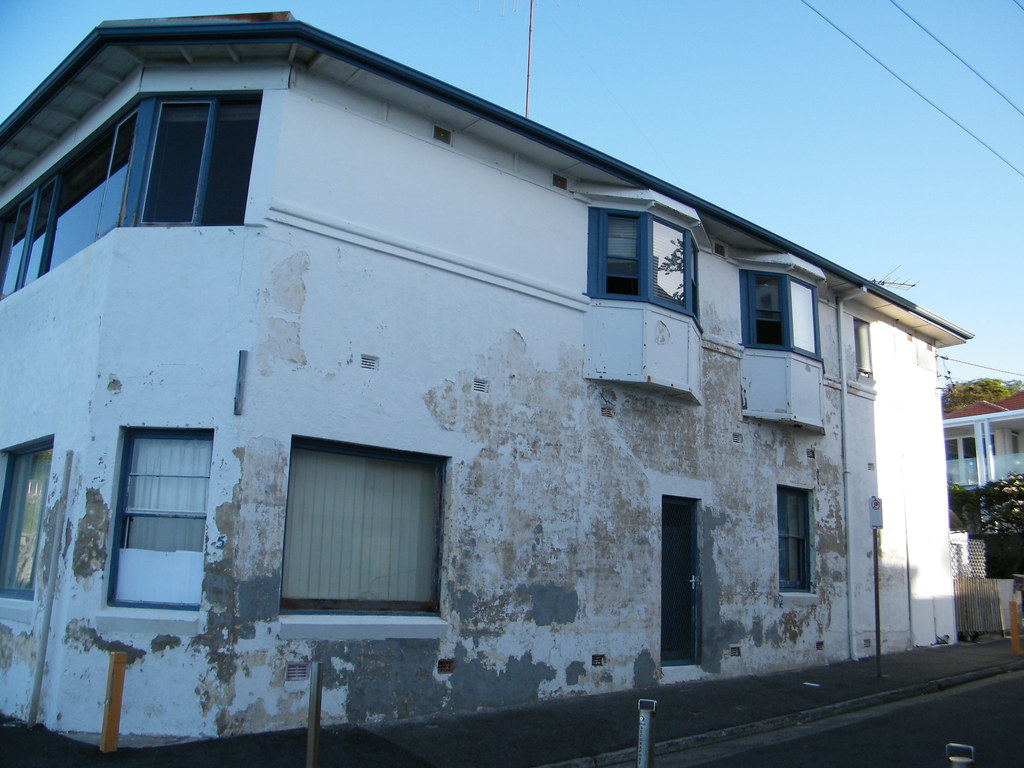
Housing disrepair compensation is a critical aspect of tenant rights, ensuring that individuals and families live in safe, well-maintained homes. When landlords neglect their legal obligations to maintain rental properties, tenants may face significant health and safety risks. Housing disrepair compensation serves as a legal remedy, allowing tenants to claim financial redress for the inconvenience, distress, and damages caused by poor living conditions.
What Constitutes Housing Disrepair?
Housing disrepair refers to the failure of a landlord to maintain a property in a habitable condition. This can include a wide range of issues such as structural defects, damp and mold, faulty heating systems, plumbing issues, and electrical hazards. When such problems arise, it is the landlord’s responsibility to address them promptly and effectively.
Tenants facinghousing disrepair may experience a variety of challenges, from minor inconveniences to severe health problems. For instance, damp and mold can lead to respiratory issues, while electrical faults pose significant fire risks. It is crucial for tenants to understand their rights and the legal avenues available to them to seek housing disrepair compensation.
Legal Obligations of Landlords
Landlords are legally obligated to ensure their properties meet specific health and safety standards. This includes complying with the Housing Health and Safety Rating System (HHSRS) in the UK, which identifies and evaluates potential risks in residential properties. Landlords must also adhere to the terms outlined in tenancy agreements, which typically require them to maintain the structure and exterior of the property, as well as the plumbing, heating, and electrical systems.
Failure to meet these obligations can result in legal action from tenants. Tenants have the right to report disrepair issues to their landlords, and if the landlord fails to address the problems within a reasonable timeframe, tenants can seek housing disrepair compensation.
Claiming Housing Disrepair Compensation
To claim housing disrepair compensation, tenants must follow a structured process. Initially, tenants should notify their landlord in writing about the disrepair issues, providing a clear description and evidence such as photographs or videos. It is advisable to keep copies of all correspondence for future reference.
If the landlord fails to take action, tenants can escalate the matter by seeking legal advice and potentially taking the case to court. Legal professionals specializing in housing disrepair cases can offer invaluable assistance, guiding tenants through the complexities of the legal system and helping to build a strong case for compensation.
Housing disrepair compensation claims can cover a range of damages, including:
Repair Costs: Compensation for the cost of repairs that the tenant may have had to undertake themselves.
Personal Injury: If the disrepair has caused physical harm, tenants may claim compensation for medical expenses and related costs.
Inconvenience and Distress: Tenants can be compensated for the discomfort and stress caused by living in substandard conditions.
Financial Losses: This includes compensation for damaged personal belongings or any additional expenses incurred due to the disrepair, such as higher energy bills caused by inadequate heating.
The Role of Legal Professionals
Legal professionals play a crucial role in housing disrepair compensation claims. They can help tenants gather the necessary evidence, negotiate with landlords, and represent them in court if necessary. By leveraging their expertise, tenants can significantly improve their chances of securing fair compensation.
Conclusion
Housing disrepair compensation is an essential mechanism for protecting tenant rights and ensuring safe living conditions. Tenants should not have to endure substandard housing and the associated risks to their health and well-being. Understanding the legal obligations of landlords, the process for claiming compensation, and the importance of legal assistance can empower tenants to take action against housing disrepair. By seeking housing disrepair compensation, tenants not only address their immediate issues but also contribute to holding landlords accountable, promoting better standards in rental properties.
Check out Sandstone Legal for more information.
Apart from this, if you are interested to know more about Which is the Best Choice for Your Home then visit our Home Improvement category.
For those seeking to save money on a vehicle purchase, you might also be interested in learning 6 Reasons to Buy a Used Car Instead of a New One.